BOTTLE ALLEY HISTORY
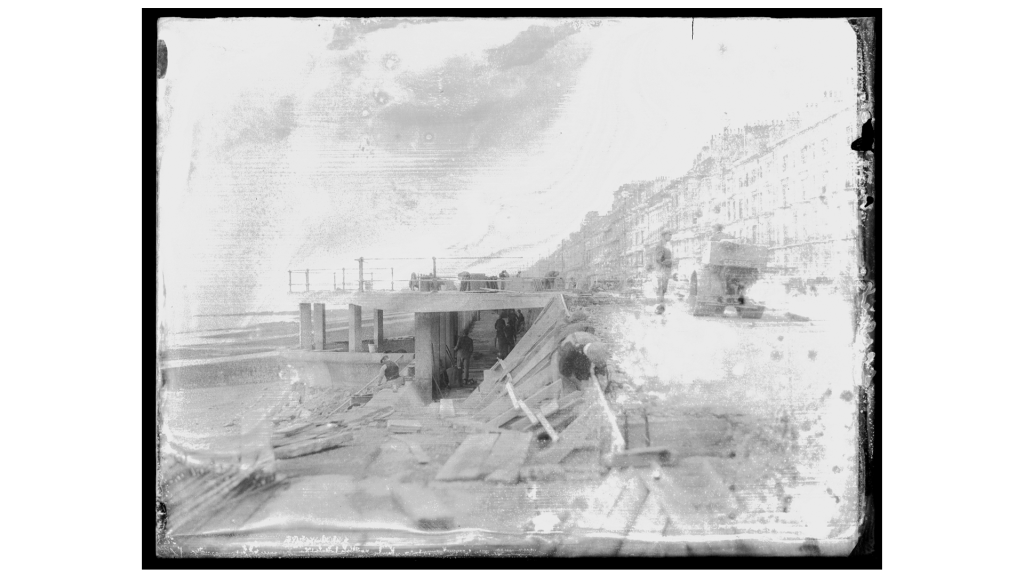
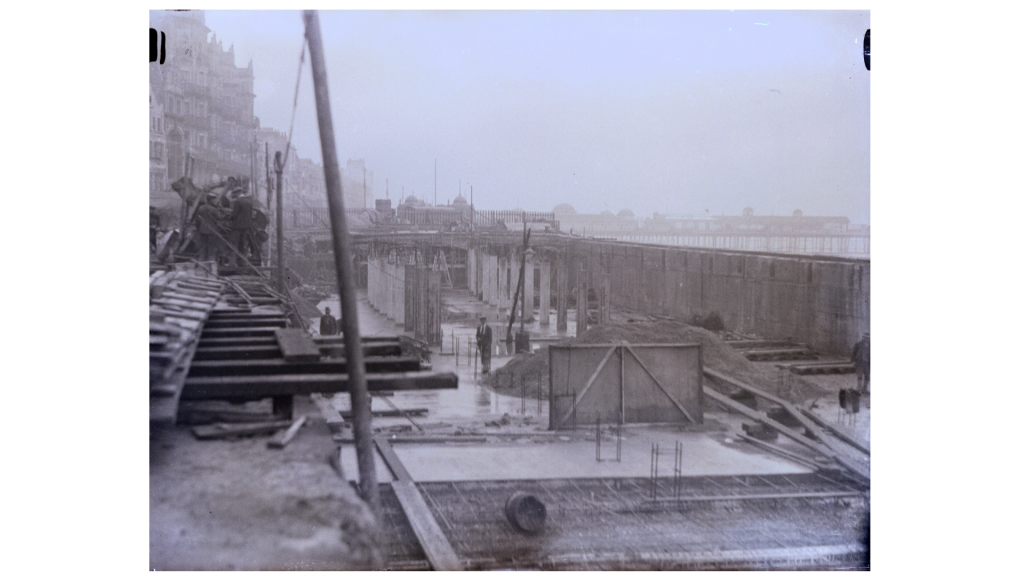
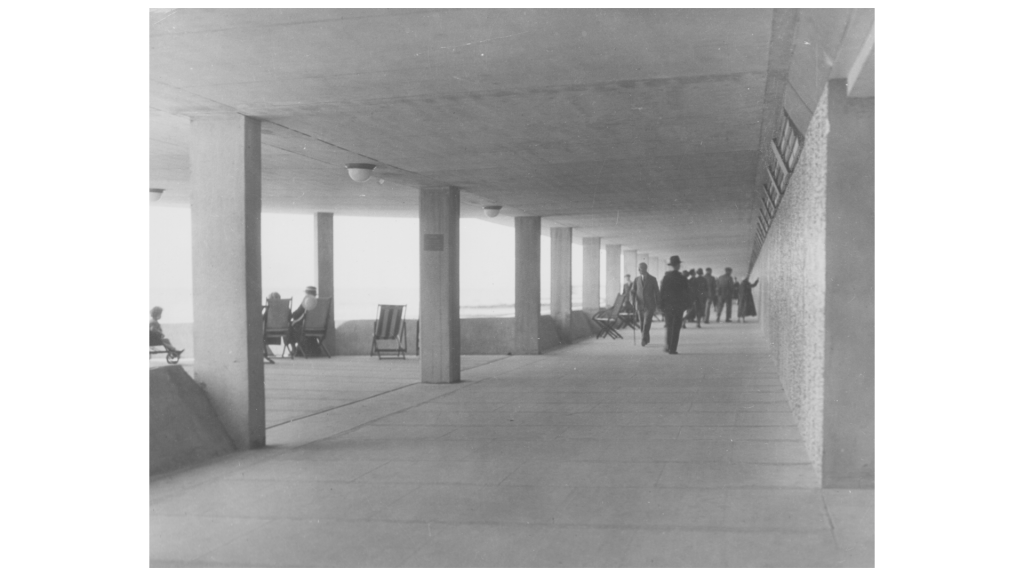
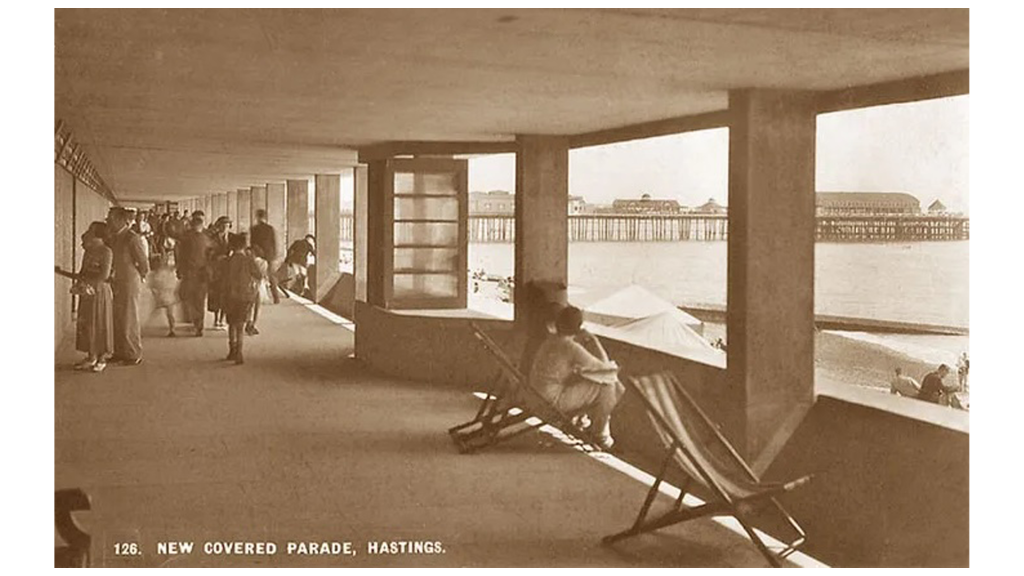
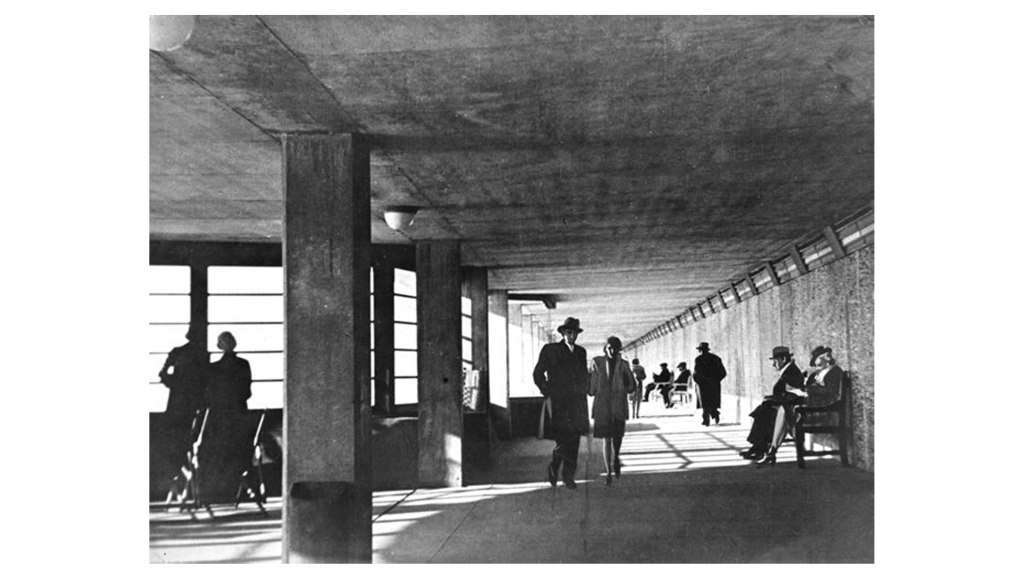
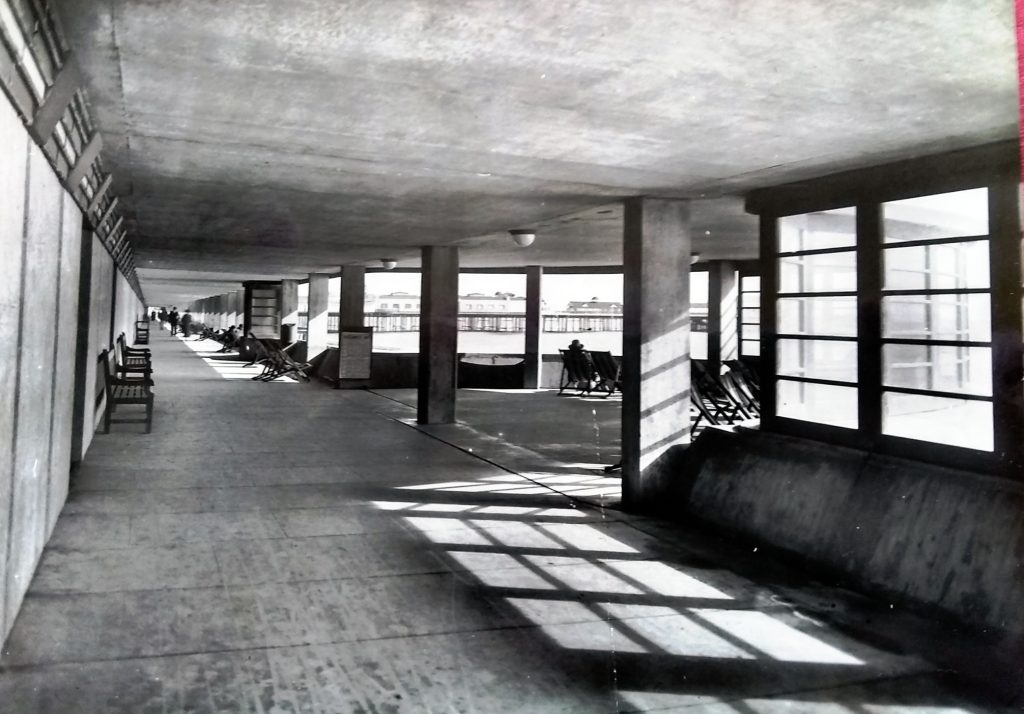
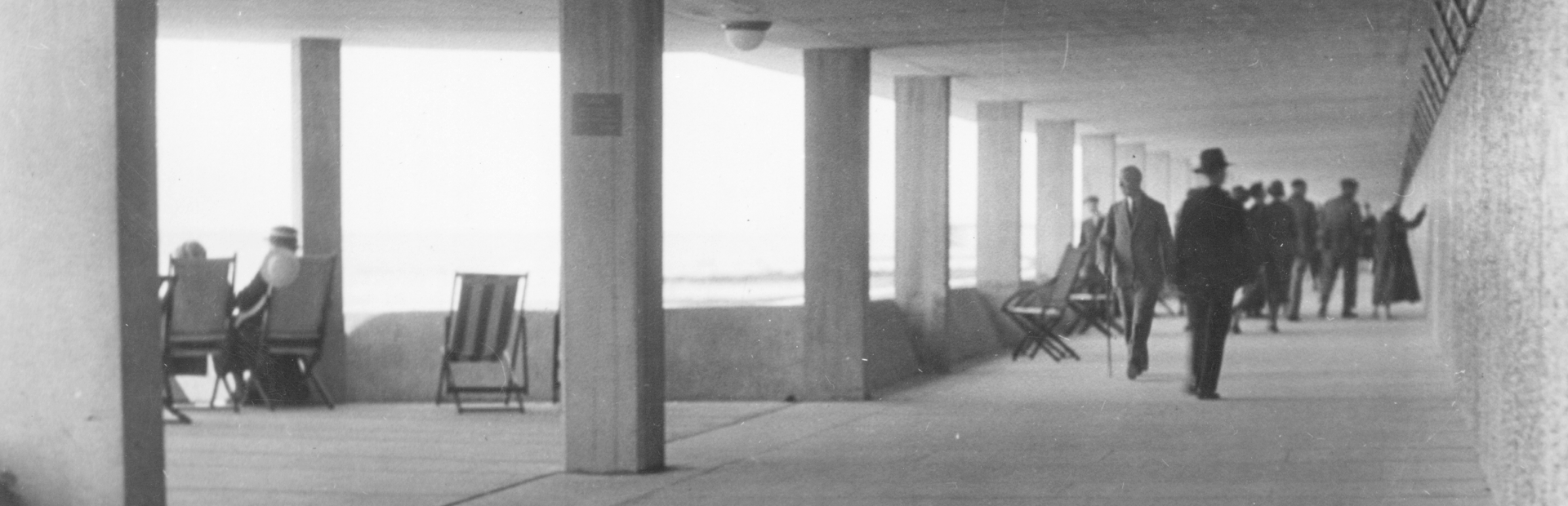
Bottle Alley is a 480‑metre lower deck promenade running along the seafront between Hastings Pier and Warrior Square in St Leonards‑on‑Sea, East Sussex. It was constructed between November 1933 and May 1934 as part of an ambitious double‑deck promenade project by Borough Engineer Sidney Little, known locally as the “Concrete King.” The design included an undercover walkway to shelter pedestrians in bad weather, originally featuring glazed shutters that are no longer in place.
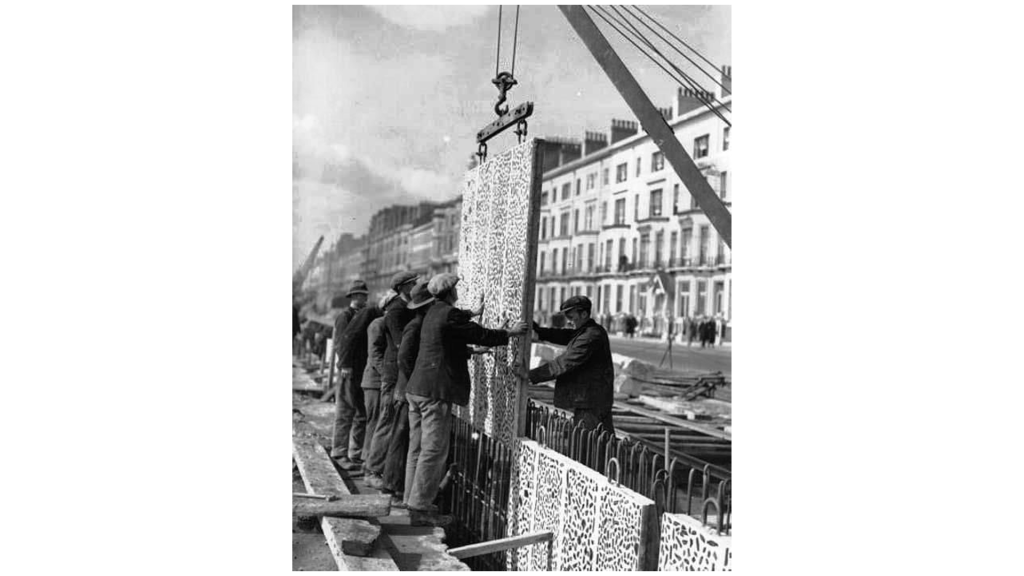
Bottle Alley gets its name from the tens of thousands of multi‑coloured pieces of broken glass bottles embedded into the concrete wall panels along its north side — a distinctive, decorative feature that has endured for nearly a century. In the 1930s, waste glass was far less commonly recycled in industrial processes. Embedding it into concrete would have been both decorative and potentially an early (if unintentional) form of reuse — quite innovative for its time. A local legend suggests much of the glass “came from Hastings town’s legendary knees‑ups” — implying the use of recycled broken bottles from local celebrations and social events.
Over the decades, Bottle Alley became a well‑known local landmark, but like many public infrastructures, it suffered from neglect at times — including graffiti and anti‑social behaviour — and initiatives have periodically emerged to clean, restore, and re‑activate the space. Artists Daniel Hardiker and Neil Hetherington, collectively known as ZEROH, have played a significant role in Bottle Alley’s cultural revival over the past decade. Their involvement has evolved from individual art projects to long‑term community and place‑making work within the space.